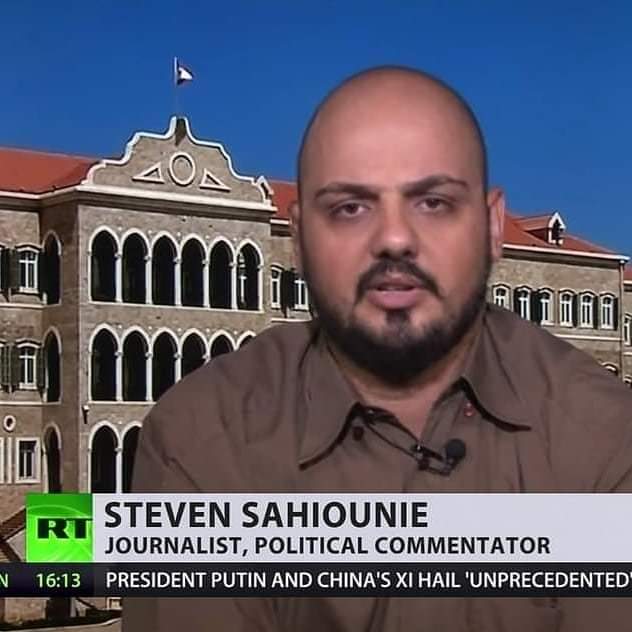


Steven Sahiounie, journalist and political commentator specializing in Middle East and US affairs
Britainà ? ? ? €™s historic role in Palestine created the Palestinian-Israel conflict and shaped the modern Middle East. For more than seven decades, Palestinians have endured displacement, loss of land, military occupation, repeated wars and serious violations of international law. Britainà ? ? ? €™s role in the origins of the conflict is clear, particularly the 1917 Balfour Declaration and Britainà ? ? ? €™s subsequent administration of Palestine under the Mandate system.
For decades, Britain was also among Israelà ? ? ? €™s important Western political allies, alongside the United States and other European powers. Yet today, a striking transformation appears to be taking place. London is increasingly willing to confront the Israeli government over its policies toward the Palestinians, particularly settlement expansion in the occupied West Bank and the humanitarian catastrophe in Gaza.
The question is whether this represents the beginning of a genuine transformation in Western policy toward Israelà ? ? ? €”or whether governments in London and Washington are responding primarily to growing public pressure and domestic political calculations.
The latest confrontation between London and Tel Aviv provides a revealing example.
Israel has dramatically escalated its diplomatic response to Britain after Israeli Foreign Minister Gideon Sa'ar announced that Israel would close the British consulate in East Jerusalem and introduce a series of additional measures against British officials and institutions.
According to Sa'ar, the decision was approved by Prime Minister Benjamin Netanyahu and represents Israel's response to what the Israeli government describes as a series of à ? ? ? €œanti-Israelà ? ? ? € decisions adopted by Britainà ? ? ? €™s Labour government.
The measures reportedly include the closure of the British consulate in Jerusalem, the removal of British personnel from an international Gaza support center in Kiryat Gat, and the termination of British programs assisting in the training of Palestinian Authority security forces in the West Bank.
Israel also announced restrictions on the entry of a number of British officials and other British citizens, accusing some of them of activities it characterizes as hostile to Israel.
The confrontation reflects a much deeper deterioration in relations between the two governments.
Since Labor returned to power in Britain in July 2024, London has adopted a series of positions increasingly critical of Israeli policies. Britain has recognized the State of Palestine, restored funding to the United Nations Relief and Works Agency for Palestine Refugees (UNRWA), restricted certain defense export licenses to Israel, imposed sanctions on Israeli figures and entities, and taken measures targeting settlement activity.
London has also moved to restrict Israeli participation in certain defense and security-related activities and has frozen or reduced some channels of military cooperation.
The most significant development, however, is Britainà ? ? ? €™s recent decision to impose a ban on imports from Israeli settlements in the occupied West Bank, accompanied by a broader sanctions framework. The 11 countries who also imposed bans on Israel are: Canada, Denmark, Finland, France, Iceland, Ireland, Norway, Poland, Portugal, Spain and Sweden.
Foreign Secretary Ed Miliband has argued that Israeli settlement expansion threatens the possibility of a viable Palestinian state and has particularly criticized the proposed E1 settlement project, which could prevent a Palestinian state in the future.
The British government has accused extremist settlers of carrying out actions amounting to ethnic cleansing against Palestinians and has criticized the Israeli government for failing to prevent such actions.
If this coalition continues to expand, Israel could face an increasingly difficult diplomatic environment in Europe.
(Note: You can view every article as one long page if you sign up as an Advocate Member, or higher).