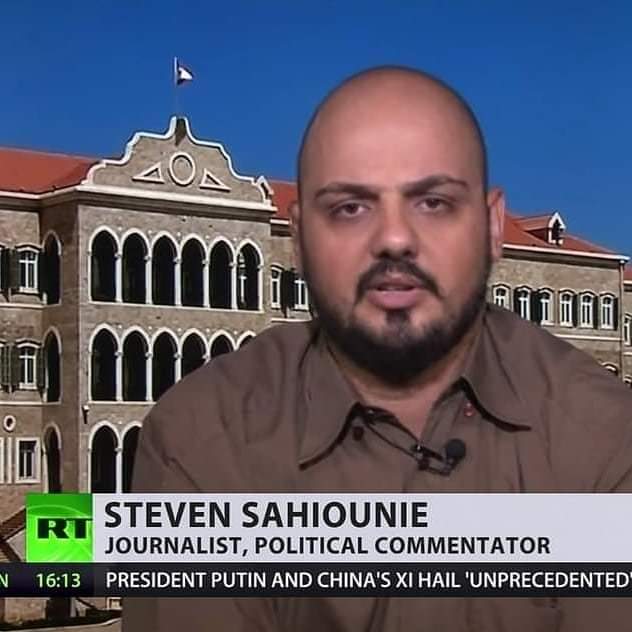


Steven Sahiounie, journalist and political commentator
On November 11, tens of thousands of Iraqi voters took to the polls to elect a new parliament, marking the country's sixth legislative election since the 2003 U.S.-led invasion that toppled the regime of late president Saddam Hussein.
More than 20 million Iraqis were eligible to cast their ballots to choose 329 members of parliament, with 46 seats allocated to the Kurdistan Region, including five reserved for minority communities.
According to the Independent High Electoral Commission (IHEC), voter turnout exceeded 55% of registered voters a figure described by observers as a positive sign of renewed public engagement.
A total of 7,743 candidates competed across multiple coalitions and alliances, with nearly one-third being women. The Iraqi constitution mandates that no less than 25% of parliamentary seats be held by women.
In addition, 75 independent candidates ran in the election, marking a modest but symbolically important participation outside Iraq's dominant political blocs.
Polling took place in 8,703 voting centers and 39,285 polling stations spread across the country's 18 provinces.
25 international and domestic monitoring organizations observed the voting process to ensure transparency and credibility.
Preliminary results are expected within 24 hours of the polls closing. Analysts predict that the Reconstruction and Development Coalition, led by Prime Minister Mohammed Shia al-Sudani, will perform strongly though this does not necessarily guarantee his return to office.
Voters in general are demanding an improved economic situation, and especially seeking an increase in jobs and income.
However, in Sadr City, a stronghold of the influential cleric Muqtada al-Sadr, many voters stayed home in obedience to his call for a boycott of what he described as a corrupt process.
Al-Sadr's movement had won the largest number of seats in the 2021 election (73 seats) but withdrew from parliament after disputes with the Coordination Framework, a coalition of Iran-aligned Shiite parties. The resulting political stalemate led to months of unrest and deadly clashes.
Iraq's political scene remains dominated by Shiite factions, many of which maintain close ties to Iran.
The elections are a prelude to the selection of a new president a largely ceremonial post traditionally reserved for Kurds and the prime minister, who holds executive authority.
Both appointments typically require months of negotiation and political compromise.
Prime Minister Mohammed Shia al-Sudani rose to power in 2022 after more than a year of political paralysis caused by disputes between Sadr's movement and the Coordination Framework. His government has been credited with maintaining Iraq's relative stability amid heightened regional tensions.
(Note: You can view every article as one long page if you sign up as an Advocate Member, or higher).