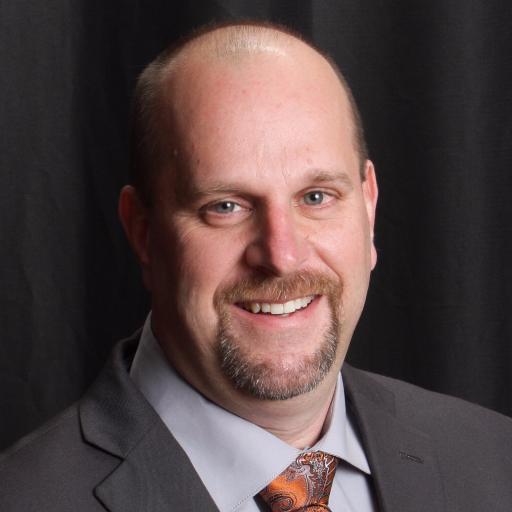


"Our kids deserve a school system funded with dignity, not leftovers."
-Dr. Rocio Rivas

In 2026, the three Los Angeles Unified School District Board members from the even-numbered board districts will ask the voters to re-elect them. Nick Melvoin, Kelly Gonez, and Dr. Rocio Rivas were each sent four questions that would allow them to let voters know how they felt about their work so far.
Thus far, only Dr. Rivas has responded. Her unedited answers are provided below:
Q. If you were grading yourself on follow-through with your campaign promises from the last election, where would you mark yourself as "incomplete"? If re-elected, how would you address these issues?
If I had to grade myself, I'd call it a work in progress. The truth is, several of the challenges facing LAUSD are deeply systemic -- decades in the making and worsened by crises that no one term can resolve. We are still dealing with the anxiety and trauma caused by Trump-era immigration crackdowns that created fear in our classrooms, the long road of COVID recovery, ongoing economic instability, and even wildfires and climate-related disruptions that have impacted our most vulnerable communities.
But I'm proud that despite those conditions, we've made real, measurable progress: our students achieved the highest academic scores in years; we passed Measure US, a $9 billion bond -- the largest in LAUSD's history -- to modernize aging schools and create thousands of good union jobs; and we strengthened protections for workers, families, and community schools across the district.
I remain committed to the long-range work of fully transforming how our public schools are funded. California's school finance structure -- shaped by Prop 13's racialized legacy -- still starves public education of the resources our students deserve. If re-elected, here is how I plan to address these "incomplete" issues:
- Push aggressively for new and fair revenue -- partnering with labor and statewide allies to focus the conversation on fixing the structural underfunding at the root of so many challenges.
- Scale up the programs, systems, and partnerships we've built -- from dual enrollment, to community schools, to worker-rights education, to equity, greening, and climate-resilience initiatives like school greening and bus electrification. These efforts shouldn't be isolated successes; they should be districtwide standards.
- Integrate climate resilience and greening more deeply with district planning -- ensuring campuses are safe, sustainable places to learn, and that this work creates union jobs while improving student well-being.
- Continue and deepen the collaborative approach our office has modeled -- working hand-in-hand with district staff, labor partners, community colleges, foundations, and families, and strengthening partnerships with the entire workforce -- principals, teachers, campus aides, cafeteria workers, custodians, bus drivers, counselors, and the skilled trades. Every worker contributes to student success, and we govern best when labor is a full partner. Together, we can cut through bureaucracy and turn good ideas into real, districtwide implementation.
In three years, we've built momentum and delivered tangible wins -- but the long-term work is ongoing. I'm fully committed to finishing what we started and ensuring our students and workers move forward together.
Q. What issue that arose during your current term surprised you the most, whether positively or negatively?
What surprised me most was how much this board was able to accomplish even when we didn't always agree. Every board member came in with different priorities and different constituencies, but despite that, we worked through hard issues together: budget stability, student enrollment, equity and academic achievement, and the constant pressure of politicization around public education.
What I didn't expect was the level of shared commitment to getting things done for students and workers, even among people who don't vote together on everything. That gives me a sense of great hope, because LAUSD is facing enormous pressures: immigration enforcement creating fear in our communities, dramatic swings in state revenue, lingering academic and emotional recovery after COVID, and the constant threat of privatization.
But what I saw is when the stakes are high, we can truly govern with determination and purpose. That spirit of collaboration is something I want to expand in my next term, because our students, families, and workers deserve a board that takes on tough issues and stays focused on important solutions.
Q. Is there an issue you wish the public paid more attention to? How has this issue impacted you or your constituents personally?
The issue I wish the public understood more deeply is how structurally underfunded California's public schools are -- and why. For decades, Californians have lived with the harmful consequences of Proposition 13, a racialized and systemic policy choice that deliberately starved public education and shifted the tax burden away from corporations and wealthy property owners. Its long-term effect has been to divide communities, pit groups and organizations against each other for inadequate resources, and force school districts to operate in a constant state of scarcity.
People often see the symptoms -- budget cuts, staffing shortages, outdated facilities -- but not the root cause. And when you combine that structural underfunding with the instability caused by extremists in Washington, who would rather shut down the government than govern, it creates enormous anxiety for our immigrant families, our workers, and our students. LAUSD then becomes ground zero for every national crisis, even though we're just trying to educate kids.
(Note: You can view every article as one long page if you sign up as an Advocate Member, or higher).